
Introduction
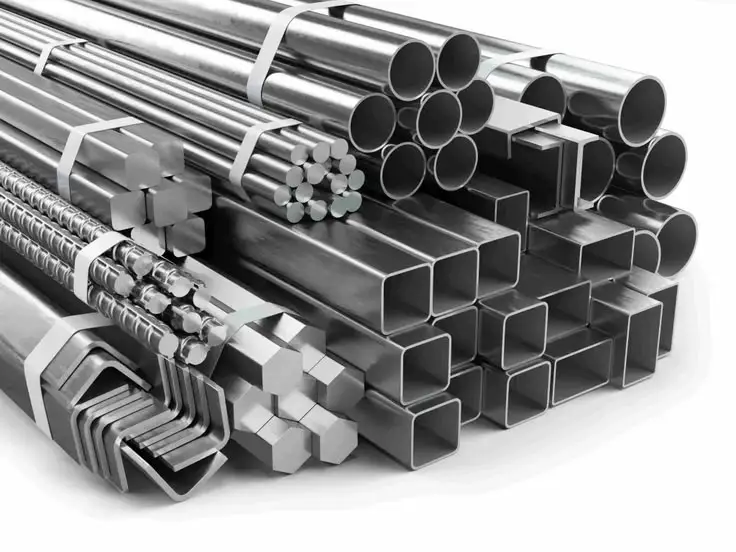
Metals are essential materials in almost every major industry. From buildings and transportation systems to electrical equipment and manufacturing machinery, different metals provide the strength, durability, and performance required for industrial applications.
Each metal has unique characteristics. Understanding these properties helps businesses select suitable materials for their specific operational requirements.
Let’s explore some of the most commonly used industrial metals.
1. Stainless Steel
Stainless steel is widely recognized for its corrosion resistance, strength, and durability.
Common Applications:
- Industrial pipes and fittings
- Construction equipment
- Food processing machinery
- Chemical processing systems
- Automotive components
2. Aluminum
Aluminum is a lightweight metal known for its corrosion resistance and excellent strength-to-weight ratio.
Common Applications:
- Automotive components
- Aerospace manufacturing
- Electrical equipment
- Packaging materials
- Construction and infrastructure
3. Copper
Copper is especially valued for its excellent electrical and thermal conductivity.
Common Applications:
- Electrical wiring
- Power generation systems
- Electronic components
- Plumbing systems
- Renewable energy equipment
4. Brass
Brass is an alloy primarily made from copper and zinc. It offers good machinability and corrosion resistance.
Common Applications:
- Plumbing fixtures
- Electrical connectors
- Industrial valves
- Decorative hardware
- Mechanical components
5. Iron and Steel
Iron and steel are fundamental materials for infrastructure and industrial manufacturing.
Common Applications:
- Buildings and bridges
- Heavy machinery
- Automotive manufacturing
- Railway infrastructure
- Industrial equipment
6. Titanium
Titanium is known for its high strength-to-weight ratio and excellent corrosion resistance.
Common Applications:
- Aerospace components
- Medical equipment
- Marine engineering
- Chemical processing
- High-performance industrial applications
How to Choose the Right Industrial Metal
Before selecting a metal for an industrial project, businesses should evaluate several factors:
- Strength and durability requirements
- Corrosion resistance
- Weight and material properties
- Operating temperature
- Manufacturing compatibility
- Budget and material availability
- Required quality specifications
Choosing the correct metal can improve product performance, operational efficiency, and long-term reliability.
Why Choose a Reliable Metal Trading Partner?
A reliable metal trading partner helps businesses source suitable materials, maintain consistent supply, and manage procurement requirements.
At Arizo Global, we focus on metal trading, sourcing, and recycling solutions that support different industrial requirements. Our goal is to develop long-term business relationships through dependable service and professional support.
Conclusion
Industrial metals are essential to the development of modern infrastructure, manufacturing, engineering, and technology. Understanding their properties and applications helps businesses make better material selection decisions.
Arizo Global aims to support industrial growth by connecting businesses with metal trading and sourcing opportunities.